Avocados are a nutrient-dense fruit that supports healthy development from pregnancy through early childhood. Avocados include the following nutrients that have the potential to benefit your pregnancy and your children’s early development:
Key Takeaways:
- Folate for fetal development: Folate helps support normal brain and spinal cord development during pregnancy. A serving of avocado (about one-third of a medium avocado) contains 45 mcg DFE of folate.
- Healthy fats for brain growth: Avocados contain 6 g of unsaturated fats that help support infant brain and nervous system development.
- Fiber for digestive health: A 50 g serving includes about 3 g of fiber, which helps support healthy digestion.
- Potassium for maternal health: Avocados include roughly 250 mg of potassium per 50 g serving, which helps support healthy blood pressure.
In addition to the nutrients they provide, fresh avocados are naturally sugar-free, sodium-free and cholesterol-free.
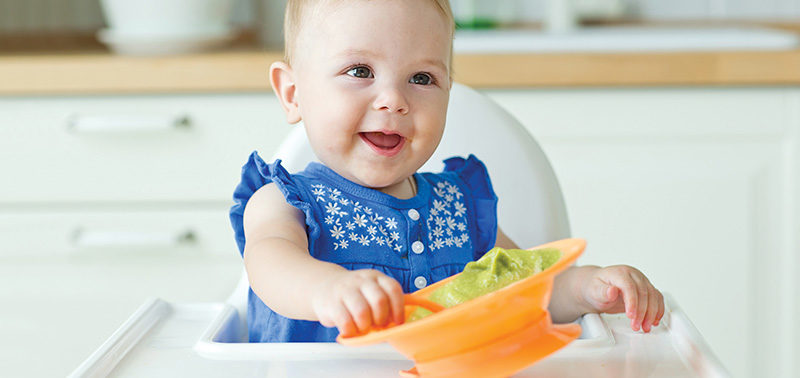
In addition, avocados are an ideal first food for babies due to their soft texture and mild flavor. That said, children who are allergic to bananas and kiwis might experience food sensitivities to avocados, so it’s essential to be careful before trying a new food.
A 50 g serving of fresh avocado provides roughly 80 calories, 6 g of healthy fats, and nearly 20 vitamins and minerals, making it a nutritious option for pregnancy, babies, toddlers, and young children.
From pregnancy to first food, teach your little one avocado goodness from the very beginning.
Along with a baby’s first steps and first words, a child’s first solid foods are essential in early development. Like adults, most children can benefit from incorporating fruits and vegetables into their diet. Serving foods that are both nutritious and have a low-to-moderate sweet and salty flavor profile, such as avocados, can help children make healthy food choices later in life.

Pregnancy
Nourish for health before baby arrives.
Maternal nutrition plays a crucial role in influencing fetal growth and birth outcomes in myriad ways that researchers are still unveiling. An observational study supported by the Avocado Nutrition Center analyzed data from 2,272 mother-child pairs in Finland to examine the association between maternal avocado consumption during pregnancy and infant allergic outcomes. Based on self-reported data, the study found that infants of avocado consumers had 44% lower odds of food allergies at 12 months, after adjusting for lifestyle factors. No associations were found for other allergic conditions. While the findings align with prior research on Mediterranean and vegetarian maternal diets and allergies, it cannot establish causation and cannot be applied to all populations.
Eating certain foods, like avocados, can also affect the breast milk composition of certain nutrients. For example, avocados contain critical nutrients for fetal and infant health and development, such as:
- Folate. Folate is important for the normal growth and development of your baby’s brain and spinal cord development. It helps produce and maintain new cells and it may reduce the risk for premature births and congenital disabilities. Avocados are a good source of folate per 50 g serving (one-third of a medium avocado)
- Good Fats. Unsaturated fats are known to be essential for normal growth and development of the brain and central nervous system. Avocados have 6 g of unsaturated fat per 50 g serving.
- Fiber. Low fiber intake is associated with an increased risk for gestational diabetes, which may hurt a developing baby. Avocados are a good source of fiber – 3 g of fiber per 50 g serving.
- Potassium. An imbalance between sodium and potassium intake is associated with hypertension, which can result in the development of preeclampsia. Avocados have more potassium by weight than most other fruits and vegetables; they contain roughly 250 milligrams of potassium per 50 g serving and are sodium-free, which can help pregnant women meet the recommendations of the Dietary Guidelines for Americans.
- Lutein. It represents roughly 25% of the carotenoids (plant compounds that promote human health) found in breast milk during the first few days of breastfeeding, and lutein levels continue to increase to nearly 50% by the end of the first month. Lutein is the most abundant carotenoid in avocados at 136 micrograms; plus, avocados help with lutein absorption more than other food with low or no fat content.
Babies & Infants
Start with fresh avocados.
Complementing breast milk or infant formula with solid food is a big milestone. When the time comes to begin the transition, consult your pediatrician on ways to celebrate this first step with a nutritious, fresh avocado. They can provide useful advice on how to introduce new foods safely and monitor your baby’s response to identify signs of allergic reactions. For example, some people who are allergic to kiwi or banana also react to avocado. This is due to “latex-fruit syndrome,” where certain proteins in latex and specific fruits—such as banana, kiwi, and occasionally avocado—are similar enough to trigger cross-reactivity. That said, latex allergies are rare among American populations – less than 5% has it. Even if your baby has a latex allergy that prohibits them from eating bananas and kiwis, reactions vary by person and by food—so a latex allergy does not automatically mean someone will react to avocado.
If your doctor encourages you to introduce avocados, they can be a great addition to your baby’s diet.
- The healthy avocado — soft, neutrally flavored, and nutrient-dense — appears to be one of the most ideal complementary and transitional foods available, a great gateway food to more nutritional eating patterns across the lifespan.
- Avocados can be introduced in the early feeding stages as a sugar-free fruit option, potentially preventing an early preference for sweet foods.
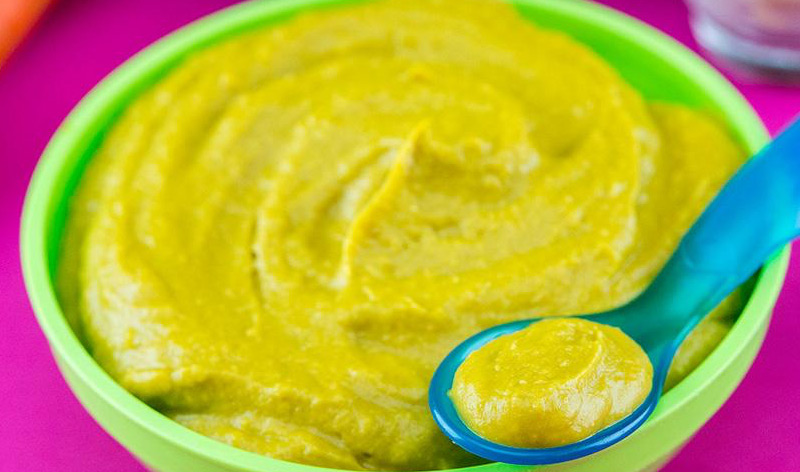
The smooth, creamy consistency makes it an easy first choice. Try out these simple recipes that baby will love:
Baby Food Avocado Chicken Puree
Sweet Potato and Avocado Baby Food Mash-Up

Sweet Potato and Avocado Baby Food Mash-Up

Chocolate Avocado Banana Pops
Toddlers
Kickstart healthy eating.
- Dietary habits started in childhood often carry on for years to come. Teaching children how to enjoy nutritious foods at a young age can help set them up for success. Avocados are a nutrient-dense, kid-friendly fruit with flavor and texture they’ll love. Avocados contain five essential nutrients for toddlers (ages 1-3) — fiber (2 grams), vitamin C (2 milligrams), magnesium (10 milligrams), folate (20 micrograms), and vitamin K (5 micrograms) per 25-gram serving.
- The CDC recommends offering children a variety of fruits, vegetables, whole grains, meats, and yogurt or cheeses. Include avocado to make a rainbow of different colored foods on your child’s plate.
- According to the Academy of Pediatrics, choosing nutritious foods and having a low-to-moderate sweet and salty flavor profile may help children make healthy food choices as they grow. Start with simple snacks like small slices of avocado on toast or fresh guacamole with sliced carrots and whole-grain crackers.
Avocado Spinach and Artichoke Spread
Open-faced Traditional Bolillo with Avocado and Cottage Cheese
Chocolate Avocado Banana Pops
Pre-School & School-Age Kids
Learn and grow together.
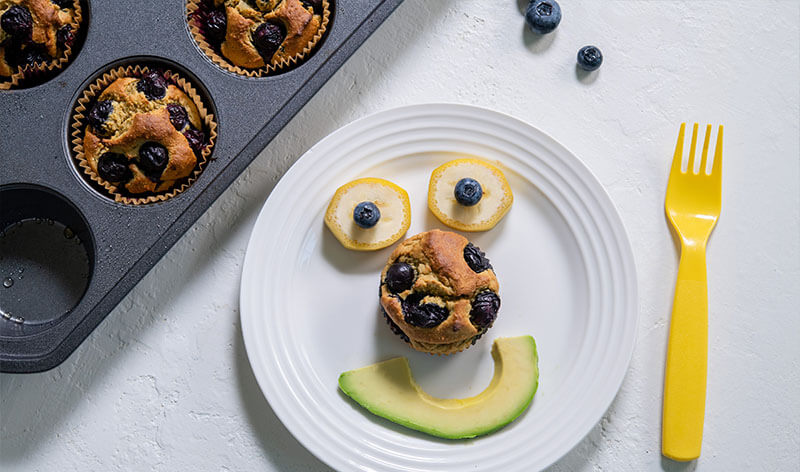
As a parent, you set the examples of healthy eating habits for your children, now and for the future. One easy way to develop healthy food habits, especially for picky eaters, is to make food fun and engaging. Healthy avocados can add both color and creamy texture to meals, not only for you but also for children. Recipes that present foods in a fun manner are a great start to adding creativity to your child’s diet.
- Fruits and vegetables are full of vitamins and minerals that help kids feel healthy and energized. One-third of a medium avocado (50 grams) has 80 calories and contributes nearly 20 vitamins and minerals, making it a healthy, nutrient-dense choice.
- When eaten with other foods, avocados act as a nutrient booster and help the body absorb the fat-soluble nutrients found in those foods. Teach kids simple recipes that combine avocados with other favorite ingredients
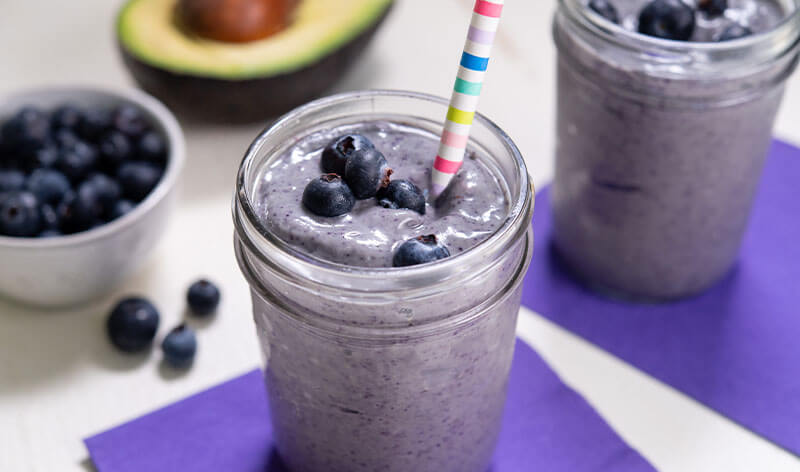
- Avocados deliver essential nutrients for growing kids and are easy to peel, cut, and prepare for breakfast smoothies, lunch boxes, after-school snacks, and more.
Avocado Berry After-School Snacks
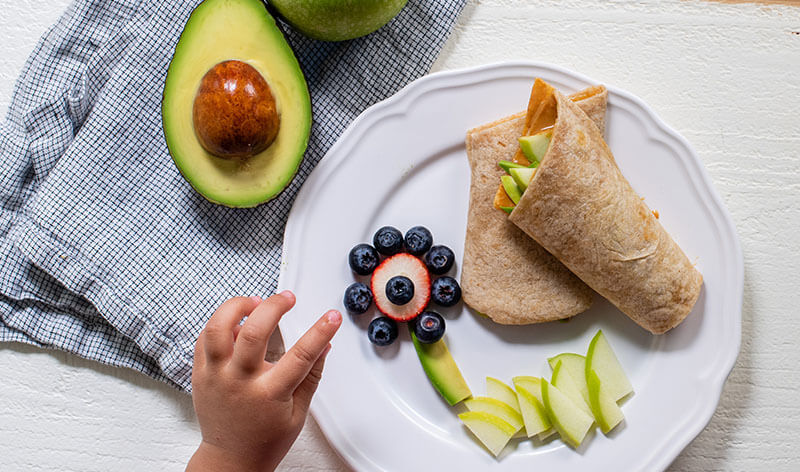
Tortilla Crepe-Avocado with Apple and Peanut Butter

Tortilla Crepe-Avocado with Apple and Peanut Butter
Before starting or introducing new foods, parents/caregivers should consult a physician or health-care provider.

Free Guide